
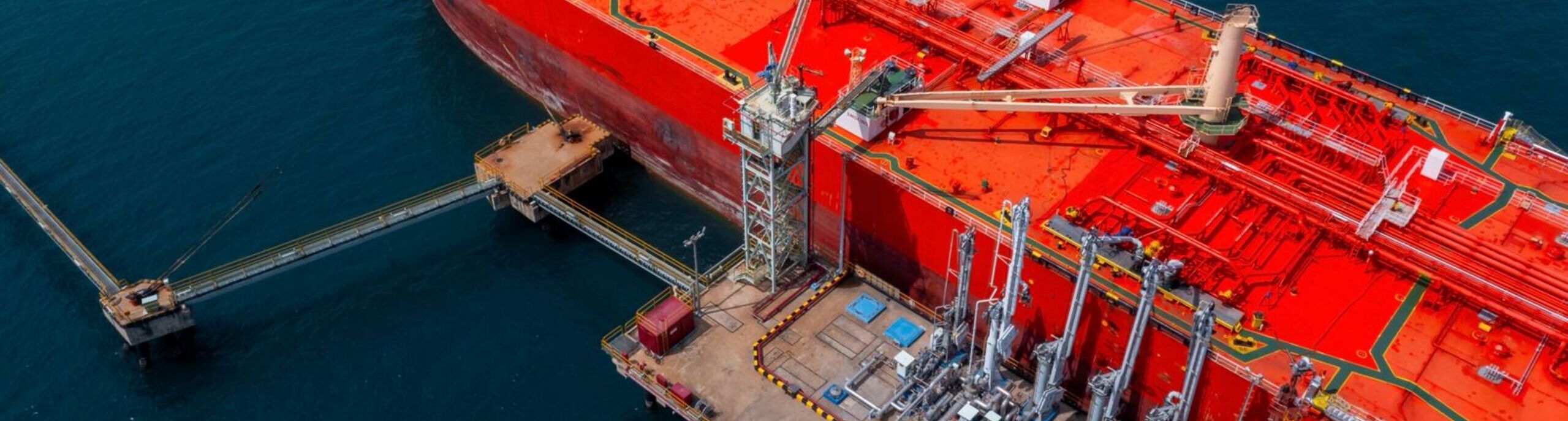
Current decarbonization rules are already reshaping tanker logistics. What was once strategic planning has now become an operational reality. Vessel choice, freight pricing and route economics are directly influenced by emissions compliance.
FuelEU Maritime — fully active and influencing freight
Vessels calling at EU ports must meet annual GHG intensity reduction targets. Non-compliance penalties are now embedded in freight negotiations.
FuelEU requires assessment of:
fuel carbon intensity,
vessel emissions performance,
route exposure to EU-regulated waters.
EU ETS — a real cost driver for shipping
Shipping is included in the EU ETS, requiring payment for CO₂ emissions:
100% on intra-EU voyages,
50% on extra-EU voyages,
with tightening obligations through 2026.
CII — limiting the operational fleet
Low-rated CII vessels:
command higher rates,
face rejection from counterparties,
are not accepted by major oil companies.
This reduces the pool of vessels available for crude transport.